How Long Does Food Last in the Fridge?
Knowing how long food stays safe in the refrigerator is one of the most practical skills in any kitchen. Whether you're dealing with last night's dinner leftovers or a package of raw chicken you bought on sale, the rules aren't always obvious — and guessing wrong can make you sick.
According to the USDA, about 48 million Americans get foodborne illnesses each year, and improper refrigeration is a leading cause. The good news: once you understand a few core principles, fridge storage becomes second nature.
The 3-to-4 Day Rule for Leftovers
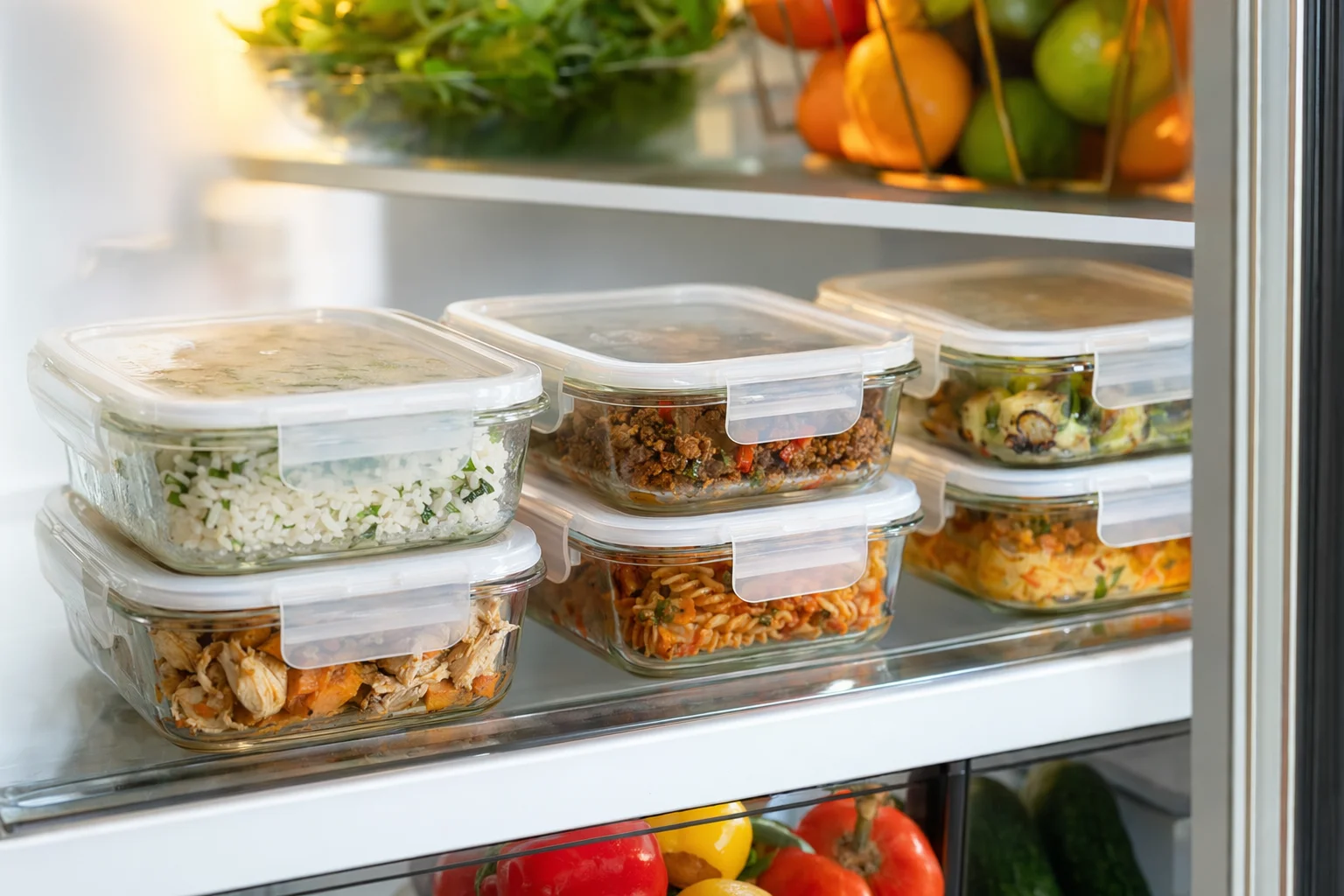
The USDA has a clear guideline: cooked leftovers should be consumed or frozen within **3 to 4 days** of refrigeration. This applies to casseroles, cooked meats, soups, stews, and any dish that's been fully cooked and then stored.
Why 3 to 4 days? Pathogenic bacteria like Listeria can grow slowly even at proper refrigerator temperatures (40°F / 4°C or below). While food may look and smell fine after day 4, the bacterial load may have reached unsafe levels.
**My rule of thumb:** If I won't eat leftovers by day 3, I freeze them on day 1 or 2. Freezing pauses bacterial growth almost entirely, and most cooked dishes freeze well for 2-3 months.
Raw Meat, Poultry, and Seafood Storage Times
Raw animal proteins have the shortest fridge shelf life because their moisture and nutrient content make them ideal breeding grounds for bacteria. Here are the USDA-recommended limits:
- **Ground meat (beef, pork, lamb):** 1-2 days
- **Whole cuts (steaks, chops, roasts):** 3-5 days
- **Raw poultry (whole or pieces):** 1-2 days
- **Raw fish and seafood:** 1-2 days
- **Bacon and hot dogs (opened):** 1 week
- **Lunch meats (opened):** 3-5 days
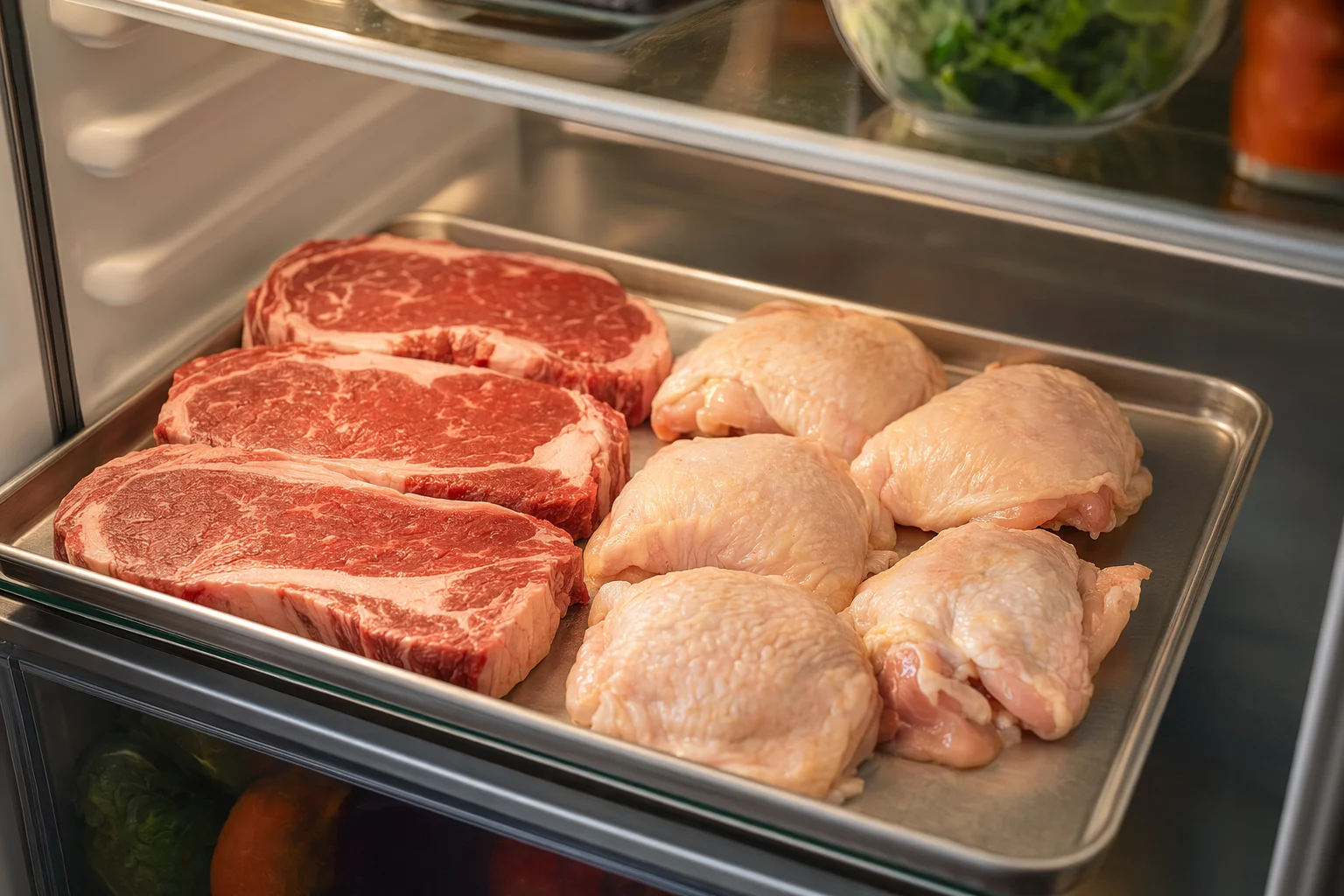
I always store raw meat on the **bottom shelf** of the fridge in a rimmed plate or tray. This prevents raw juices from dripping onto ready-to-eat foods below — a common cause of cross-contamination.
Dairy, Eggs, and Deli Items
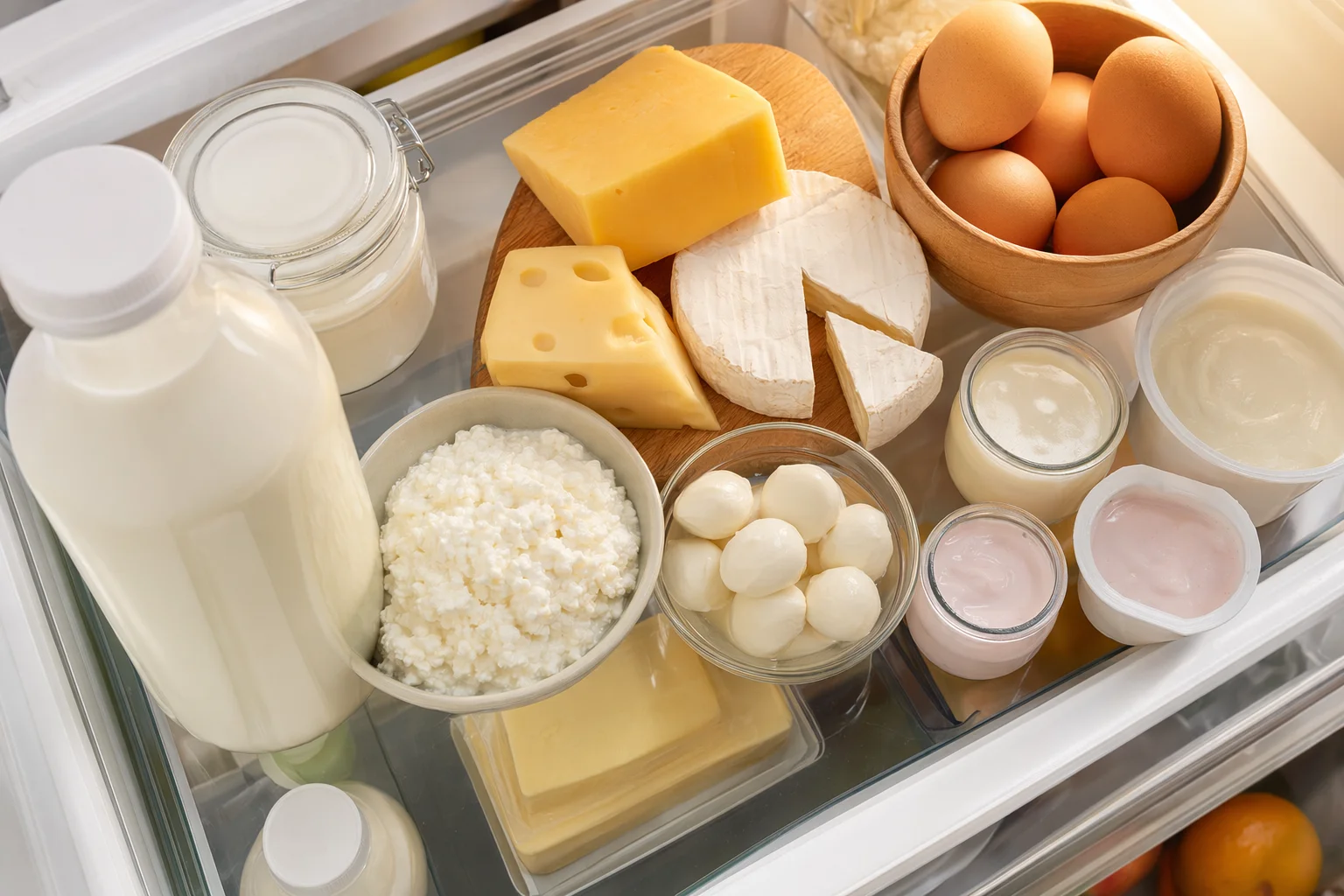
Dairy products vary widely in how long they last:
- **Milk:** 5-7 days after opening (check for sour smell or curdling)
- **Yogurt:** 1-2 weeks after the sell-by date if unopened; 5-7 days after opening
- **Hard cheese (cheddar, parmesan):** 3-4 weeks after opening; mold on hard cheese can be cut away (1 inch around the spot)
- **Soft cheese (brie, cream cheese):** 1-2 weeks after opening; discard if mold appears
- **Eggs (in shell):** 3-5 weeks from the purchase date
- **Deli meats (opened):** 3-5 days
A trick I use: I write the open date on dairy containers with a dry-erase marker. No more guessing when that yogurt was opened.
Food Spoilage Signs: How to Tell If Food Has Gone Bad
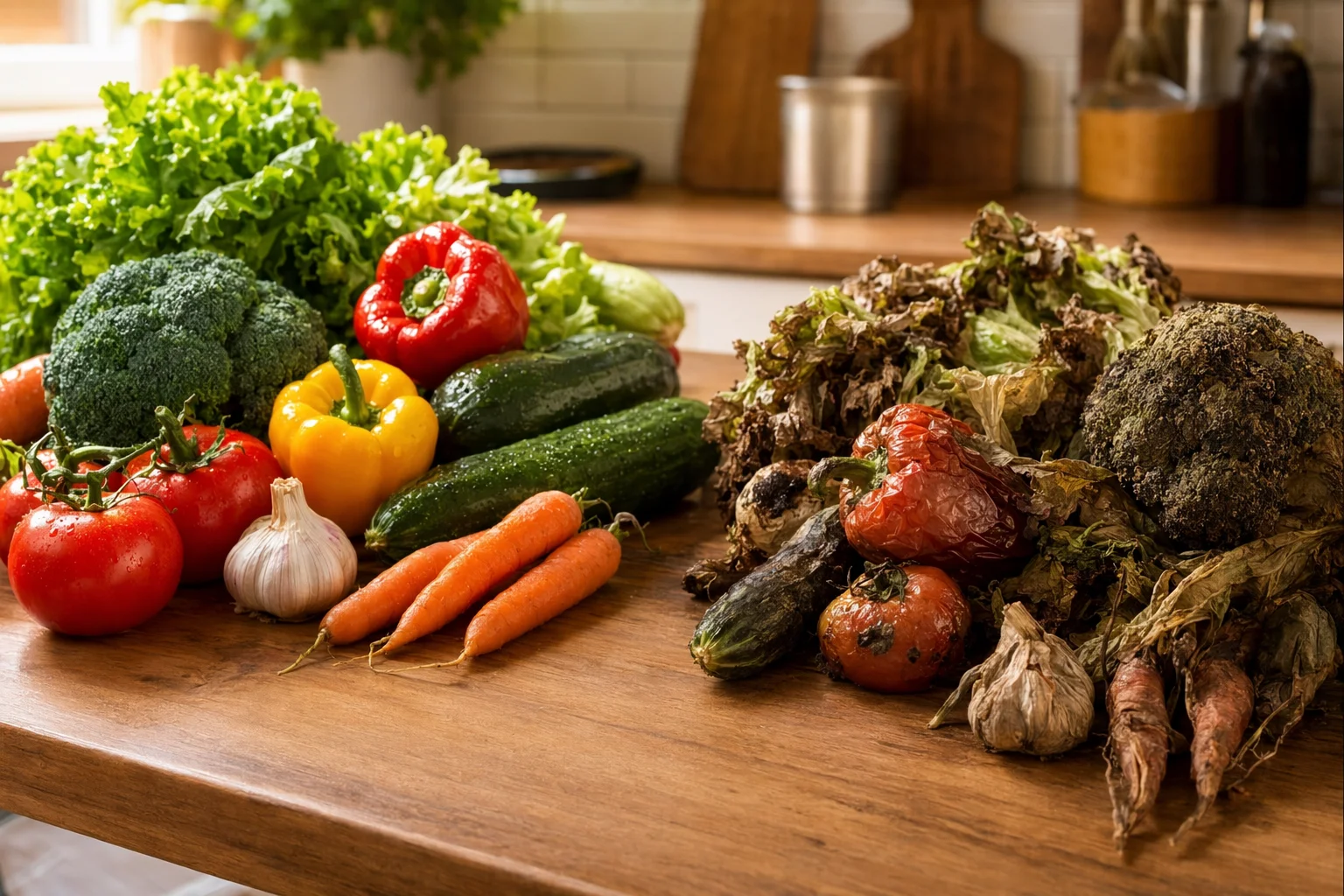
Your senses are your first line of defense, but they're not foolproof. Here's what to look for:
**Visual signs:**
- Mold (any color) on soft foods, bread, cooked dishes, or dairy — throw it out
- Color changes in raw meat (gray-green hue on beef, dulling on poultry)
- Cloudy liquid in previously clear packaged foods
- Bulging or puffy packaging (gas from bacterial growth)
**Smell and texture:**
- Sour, rancid, or "off" odors — especially in dairy, deli meat, and seafood
- Slimy or tacky surface on deli meats and fish
- Sticky or mushy texture on produce
**Critical point:** Spoilage bacteria and pathogenic bacteria are different. Food can contain dangerous pathogens like Salmonella or E. coli even when it looks, smells, and tastes perfectly fine. The USDA's advice is clear: **"When in doubt, throw it out."**
Proper Fridge Temperature for Food Storage
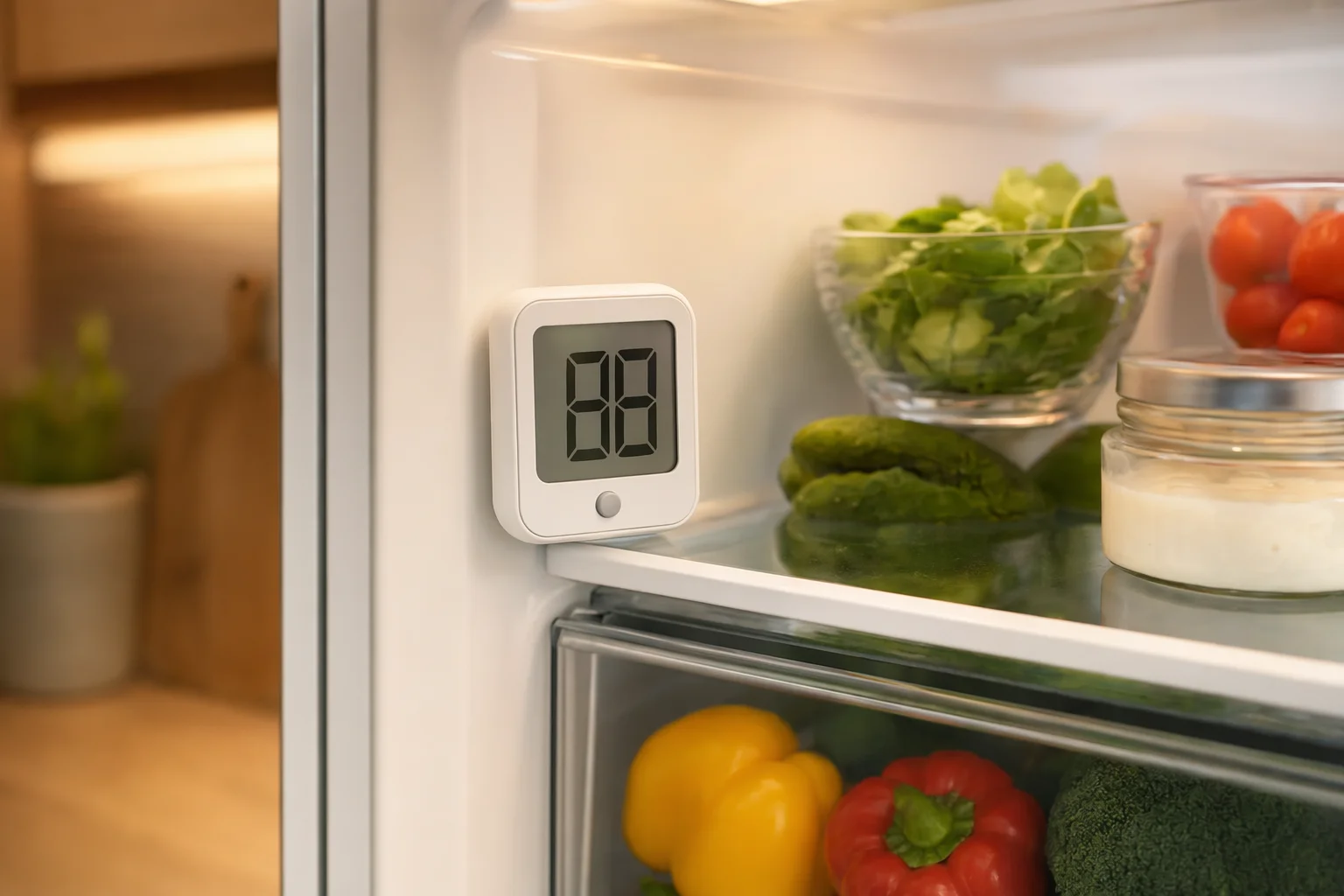
Your refrigerator should be set to **40°F (4°C) or below**, and your freezer should be at **0°F (-18°C) or below**. These aren't suggestions — they're the temperatures at which bacterial growth slows to a safe rate.
**The Danger Zone (40°F–140°F):** Bacteria multiply most rapidly between 40°F and 140°F. According to the USDA, food should not sit in this range for more than 2 hours — or just 1 hour if the ambient temperature is above 90°F (32°C).
**How to verify your fridge temperature:** Don't trust the dial settings. Place an appliance thermometer in the center of the middle shelf and check it after 24 hours. Adjust the dial as needed. I keep a thermometer in my fridge permanently — it costs about $5 and has saved me from unsafe food more than once.
How to Organize Your Fridge for Safety
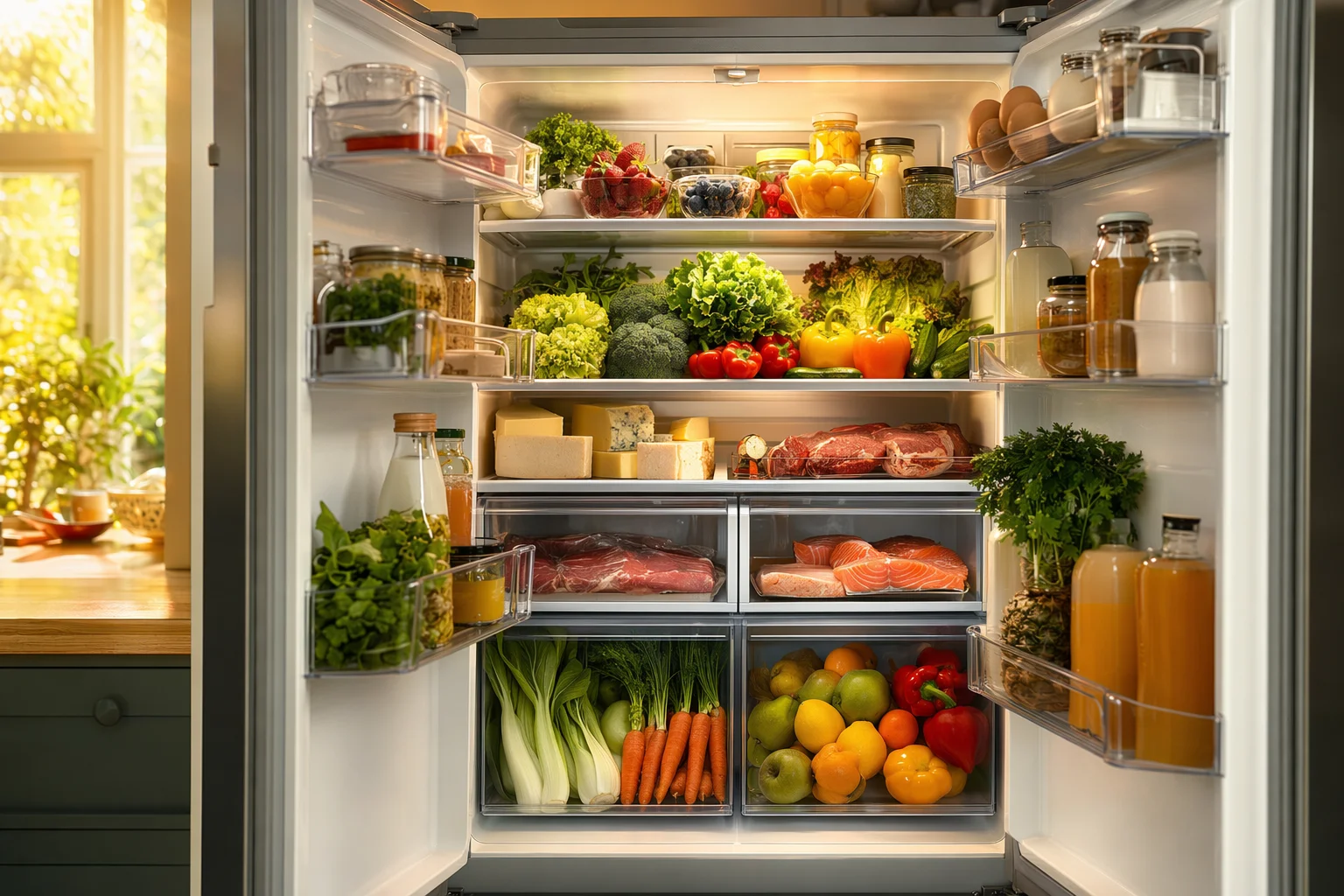
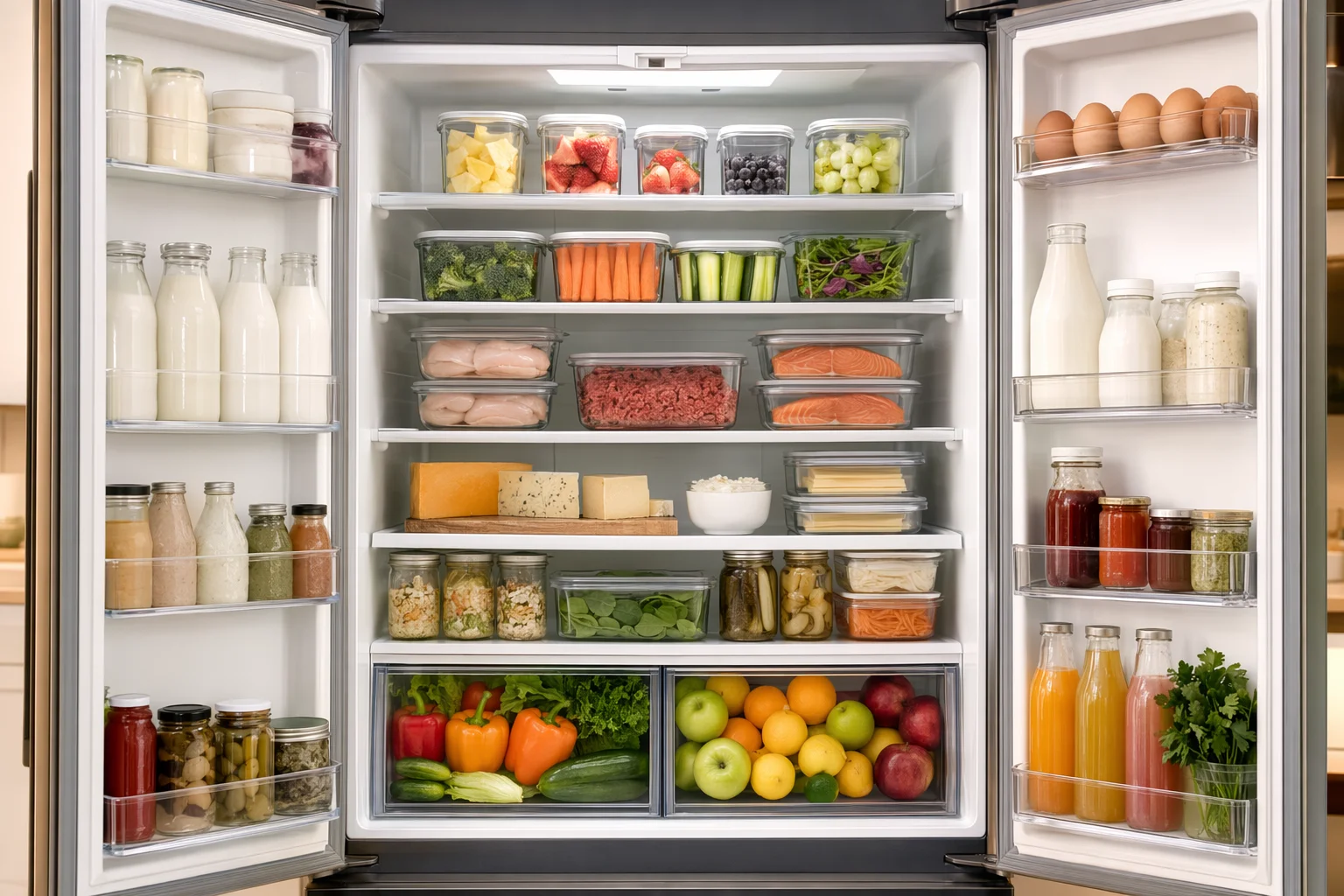
Fridge organization isn't just about finding things easily — it's a food safety practice:
- **Top shelf:** Ready-to-eat foods (leftovers, drinks, deli items)
- **Middle shelf:** Dairy products, eggs
- **Bottom shelf:** Raw meat, poultry, fish (in containers to catch drips)
- **Crisper drawers:** Produce (one for fruits, one for vegetables)
- **Door:** Condiments, jams, butter (items that tolerate temperature fluctuation)
**Don't overfill the fridge.** Cold air needs room to circulate. If you can't easily see the back wall, your fridge is too full.
**FIFO principle:** First In, First Out. Place newer items behind older ones. This simple habit dramatically cuts food waste.
Can You Eat Food Past the Expiration Date?
Date labels are one of the most misunderstood aspects of food safety. Here's what they actually mean:
- **"Best if Used By/Before":** About flavor and quality, not safety. The food is safe beyond this date if stored properly.
- **"Sell-By":** A store inventory guide. You can safely consume the product for a period after this date (varies by food type).
- **"Use-By":** The last date recommended for peak quality. For highly perishable items like deli meat or raw ground meat, treat this as a safety cutoff.
The FDA estimates that confusion over date labels causes about 20% of consumer food waste. In most cases, your senses and the storage time guidelines above are better indicators than the printed date.
**Exception:** Infant formula. The "Use-By" date on infant formula is both a quality and safety issue and should be strictly followed.
Refrigerator Food Storage Chart
Keep this chart handy for quick reference:
| Food | Fridge (40°F or below) | Freezer (0°F or below) |
|------|------------------------|------------------------|
| Raw ground meat | 1-2 days | 3-4 months |
| Raw steaks/roasts | 3-5 days | 4-12 months |
| Raw poultry | 1-2 days | 9-12 months |
| Raw fish | 1-2 days | 3-6 months |
| Cooked meat/poultry | 3-4 days | 2-6 months |
| Cooked leftovers | 3-4 days | 2-3 months |
| Milk | 5-7 days (opened) | 1 month |
| Yogurt | 1-2 weeks (opened) | 1-2 months |
| Hard cheese | 3-4 weeks (opened) | 6 months |
| Eggs (in shell) | 3-5 weeks | Not recommended |
| Deli meats (opened) | 3-5 days | 1-2 months |
| Fresh vegetables | 3-7 days | 8-12 months (blanched) |
| Fresh fruits | 3-7 days | 6-12 months |
Source: USDA Food Safety and Inspection Service, FDA Refrigerator & Freezer Storage Chart
Key Takeaways
**Don't rely on smell alone.** I've made the mistake of trusting the sniff test on deli meat that looked fine but had been open for 6 days. Smell can miss listeria and other cold-loving pathogens. Stick to the 3-5 day rule for opened deli items regardless of how they smell.
**Freeze on day one if you won't eat it soon.** I used to wait until food was about to expire before freezing, but quality degrades every day in the fridge. Now I portion and freeze leftovers the same day I cook them — they taste noticeably better when reheated.
**Keep a fridge thermometer.** My fridge dial said '4' but the actual temperature was 45°F. A $5 appliance thermometer caught the problem before any food went bad. Check it monthly.
**Write dates on everything.** I use a dry-erase marker on containers and a label maker on freezer bags. It takes 10 seconds and eliminates the 'how long has this been in here?' guessing game.
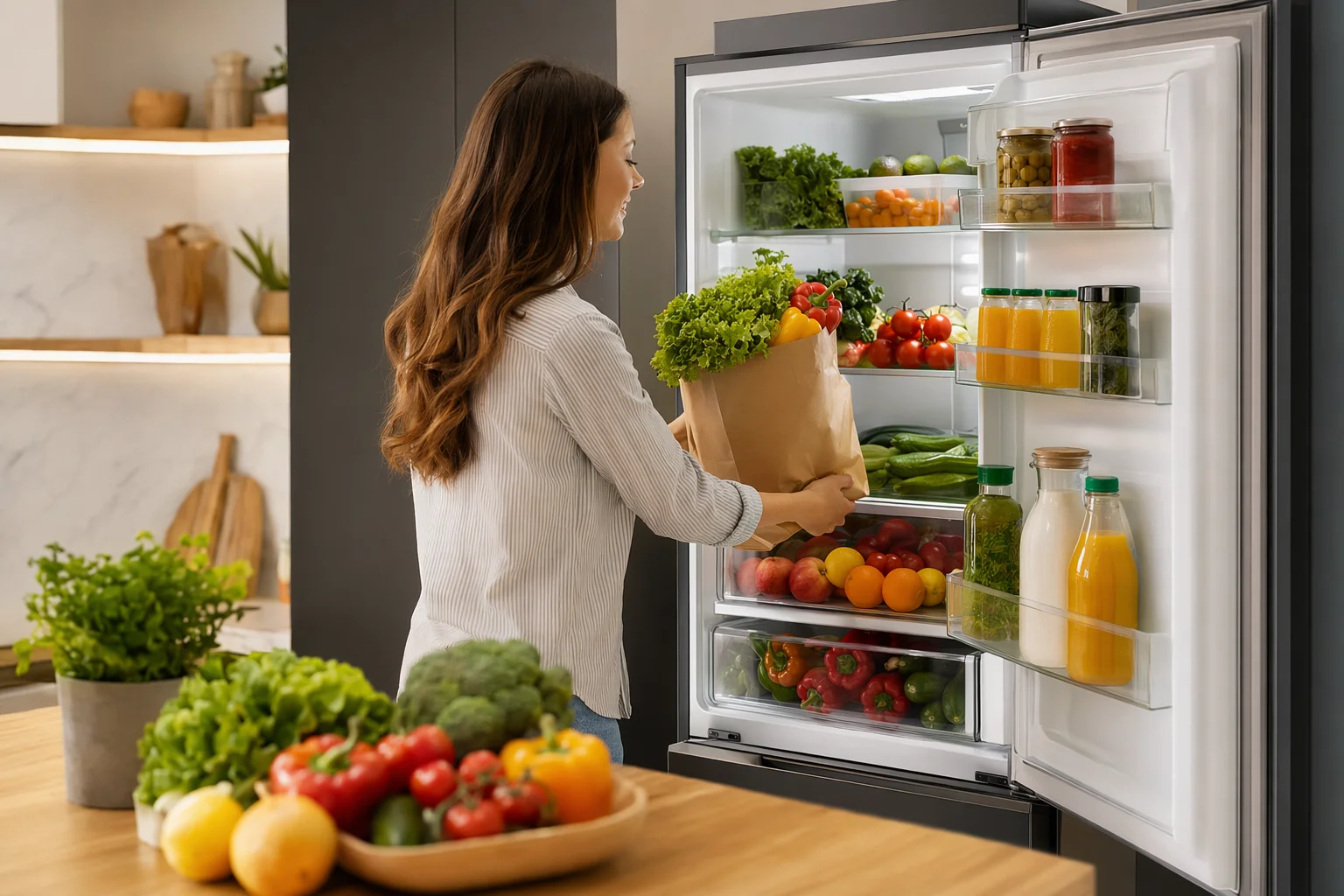
**Don't wash produce before storing.** Moisture accelerates spoilage. Wash fruits and vegetables right before you use them, not before putting them in the crisper. This alone added 2-3 days to my fresh herbs and berries.